
Горячая линия
1388xx888xx
Горячая линия
1388xx888xx
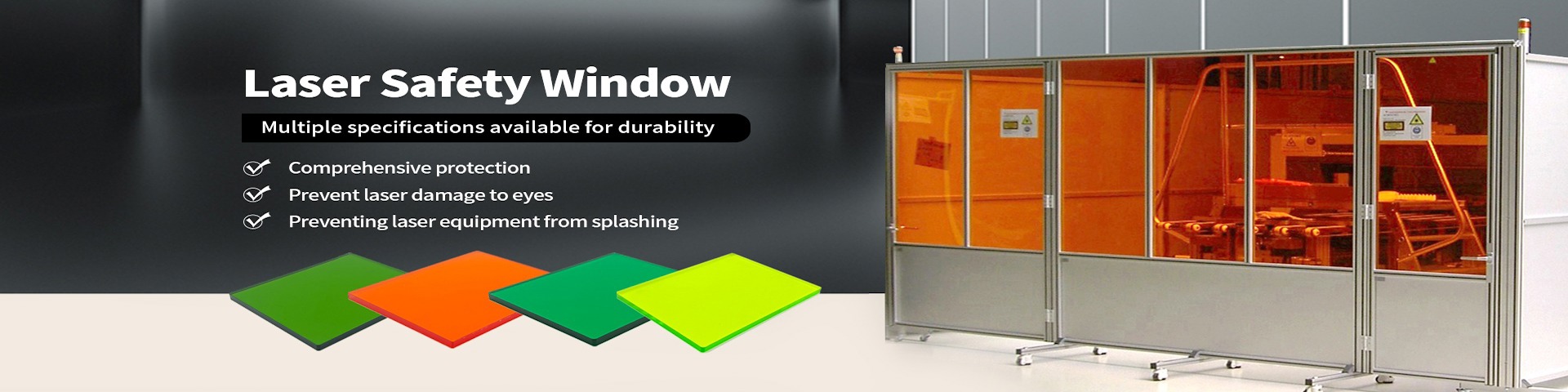

В современном промышленном мире лазерное оборудование стало незаменимым инструментом для резки, гравировки, маркировки и множества других операций. Однако многие предприятия сталкиваются с проблемой: оборудование не раскрывает свой полный потенциал из-за неправильной настройки. Эта статья предназначена для того, чтобы изменить эту ситуацию. Мы глубоко погрузимся в процесс настройки лазерного оборудования, охватывая все от основ до продвинутых техник, и предоставим практические советы, которые помогут вам адаптировать системы под ваши уникальные задачи. Whether вы новичок или опытный инженер, здесь вы найдёте ценную информацию для оптимизации работы.
Лазерные технологии революционизировали производство с момента их изобретения в 1960-х годах. Сегодня они применяются в automotive, aerospace, медицине, electronics и даже в искусстве. Ключ к успеху — не просто拥有 оборудование, а умение его настроить. Настройка позволяет достичь высочайшей точности, сократить время цикла и уменьшить расходы на материалы. Imagine: правильно настроенный лазер может резать металл с tolerances до микрон или созда intricate designs на дереве без burnt edges. Это не magic — это science и art, combined.
В этой статье мы рассмотрим, почему настройка так важна, common mistakes, и step-by-step processes для различных types лазеров. We'll also cover future trends, such as AI integration и sustainable practices. К концу reading, вы будете equipped с knowledge to transform your laser operations.
Прежде чем diving into настройку, essential понять, как работает лазерное оборудование. Лазер (Light Amplification by Stimulated Emission of Radiation) генерирует когерентный световой луч, который можно фокусировать для high-energy applications. Основные components включают источник питания, optical system, систему охлаждения и控制系统. Типы лазеров vary: CO2 лазеры ideal для non-metallic materials, fiber лазеры excel в metal processing, а diode лазеры often used для marking.
Каждый type имеет unique characteristics. Например, CO2 лазеры operate на wavelength 10.6 micrometers, making them suitable для органических materials like wood, plastic, и fabric. Fiber лазеры, с wavelength около 1 micrometer, более efficient для metals due to better absorption. Understanding these basics поможет вам выбрать right equipment и настроить его effectively.
Pro Tip: Всегда consult technical specifications производителя перед настройкой. Incorrect parameters могут damage equipment или yield poor results.
Настройка начинается с выбора equipment, которое соответствует вашим задачам. Consider factors such as material type, thickness, desired speed, и accuracy. For instance, если вы работаете с тонкими metals, fiber лазер с высоким power density может быть optimal. Для engraving на glass, CO2 лазер с precise control необходим.
Budget также plays role. High-end systems offer advanced features like automatic focus и real-time monitoring, но могут быть costly. Evaluate your needs: иногда mid-range equipment с proper настройкой outperforms expensive models без tuning. Don't forget about scalability — choose equipment that can grow with your business.
Пример из practice: automotive company switched to a customizable fiber laser for cutting chassis parts, reducing waste by 20% through precise settings.
После выбора equipment, proper installation critical. Start with a stable surface to minimize vibrations. Calibration involves aligning the laser beam, setting focal length, и calibrating sensors. Use calibration targets provided by the manufacturer. For example, for a cutting laser, perform test cuts on sample materials to adjust power, speed, и frequency.
Common calibration tools include power meters, beam profilers, и alignment jigs. Process typically: turn on equipment, allow it to warm up, then follow manufacturer's calibration procedure. Incorrect calibration can lead to uneven cuts или reduced lifespan of components.
"Калибровка — это foundation точности. Пропустите этот шаг, и все последующие adjustments будут futile." — Иван Петров, инженер с 15-летним опытом.
Detailed steps for calibration:
Это core настройки. Parameters include power output, cutting speed, pulse frequency, assist gas pressure, и focus position. Each material and task requires unique settings. For cutting, higher power and slower speed may be needed for thick materials; for engraving, lower power and higher speed prevent burning.
Use software interfaces to input parameters. Many modern systems have database presets, but custom tuning often yields better results. Experiment with small samples: vary one parameter at a time and observe outcomes. Document successful settings for future reference.
Example settings for common tasks:
Advanced tip: Implement adaptive control systems that adjust parameters in real-time based on sensor feedback, enhancing consistency.
Software is the brain behind laser operations. Choose CAD/CAM software that allows precise control over paths and parameters. Features like nesting optimization can reduce material waste. Ensure software is updated and compatible with your hardware.
Set up user profiles for different tasks to streamline operations. Use macros for repetitive processes. Training operators on software capabilities is crucial — many underutilize features that could boost efficiency.
Integration with other systems, such as ERP or IoT platforms, can enable data-driven decisions. For instance, monitor equipment usage and predict maintenance needs based on performance data.
Case study: A packaging company integrated their laser software with inventory management, reducing setup times by 30% through automated job scheduling.
Regular maintenance ensures consistent performance. Schedule cleanings of optics, check for wear on components, and recalibrate periodically. Keep a maintenance log to track issues and improvements.
Long-term tuning involves adapting to changes in materials or production demands. Re-evaluate settings every few months or when introducing new materials. Upgrade components if necessary, such as lenses or lasers, to maintain efficiency.
Preventive measures: Use high-quality consumables, maintain stable environmental conditions (temperature, humidity), and train staff on troubleshooting common problems.
Many users make mistakes that hinder performance. Common ones: using incorrect focal length, neglecting cooling system maintenance, or ignoring software updates. These can lead to poor quality outputs or equipment failure.
Another error is over-tuning — changing too many parameters at once without understanding interactions. Always change one variable at a time and test. Also, avoid using equipment beyond its specifications, which can cause permanent damage.
Learn from failures: Keep a record of unsuccessful settings to avoid repetition. Engage with user communities or manufacturer support for insights.
Warning: Never operate laser equipment without proper safety measures. Always wear protective eyewear and ensure workspace ventilation.
The future is bright with innovations like AI and machine learning. AI algorithms can analyze data from sensors to auto-optimize settings in real-time, predicting the best parameters for any material. IoT connectivity allows remote monitoring and tuning, reducing downtime.
Sustainability is another trend: energy-efficient lasers and recyclable materials are gaining traction. Additionally, additive manufacturing with lasers is expanding, requiring new tuning techniques for 3D printing applications.
Stay ahead by investing in training and keeping abreast of technological advancements. The ability to quickly adapt settings will be a key competitive advantage.
Настройка лазерного оборудования — это не разовая задача, а continuous process улучшения. Следуя steps outlined в этой статье, вы можете significantly enhance precision, efficiency, и profitability ваших operations. Remember, the goal is to make the equipment work for you, not against you. Start small, experiment, и always prioritize safety. С proper настройкой, возможности endless — от creating intricate artworks до manufacturing critical aerospace components. Embrace the journey к оптимизации!

Телефон:1388xx888xx
Мобильные телефоны:1388xx888xx
Адрес:Room 401, Greenland Lanhai Building, Jinye Road, High-Tech Zone, Xi'an, Shaanxi, China
Почтовый ящик:1388xx888xx@gmail.com