
Горячая линия
1388xx888xx
Горячая линия
1388xx888xx
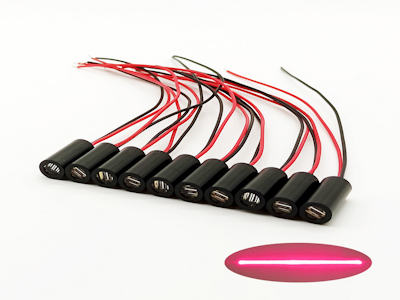
В современном мире лазерные технологии играют ключевую роль в различных отраслях, от медицины и научных исследований до промышленного производства. Одним из фундаментальных аспектов эффективного использования лазеров является способность точно фокусировать лазерный луч для достижения желаемых результатов, будь то резка материалов, сварка, маркировка или медицинские процедуры. Лазерная голова, как центральный компонент многих лазерных систем, отвечает за эту критически важную задачу. В этой статье мы подробно рассмотрим, как лазерная голова достигает высокой точности фокусировки луча, изучив её конструкцию, принципы работы, оптические элементы, системы управления и практические применения. Мы также обсудим современные тенденции и вызовы в этой области, предоставляя всесторонний обзор для специалистов и энтузиастов.
Лазерная голова — это устройство, которое направляет и фокусирует лазерный луч из источника (например, лазерного генератора) на целевую область. Её основная функция — обеспечить, чтобы луч достигал точки фокуса с минимальными потерями энергии и максимальной точностью. Это достигается за счёт комбинации оптических компонентов, таких как линзы, зеркала, и систем позиционирования. Высокая точность фокусировки необходима для многих применений: в промышленной обработке, например, при резке металлов, даже небольшое отклонение фокуса может привести к дефектам продукции или снижению эффективности. В медицине, при лазерной хирургии, точность напрямую влияет на безопасность и успех процедур. Таким образом, понимание механизмов фокусировки в лазерных головах является vital для advancement технологий.
Исторически, развитие лазерных голов шло рука об руку с прогрессом в лазерной физике. Первые лазеры, изобретённые в 1960-х годах, часто использовали простые оптические setups для фокусировки, но с ростом требований к точности, конструкции стали более sophisticated. Сегодня, лазерные головы интегрируют advanced материалы, такие как специализированные стекла и покрытия, а также электронные системы для автоматического контроля. Это позволяет достигать sub-micrometer точности в некоторых применениях, что открывает новые возможности в нанотехнологиях и прецизионном машиностроении.
В этой статье мы начнём с обзора основных компонентов лазерной головы, затем углубимся в оптические принципы фокусировки, обсудим технологии для высокой точности, рассмотрим системы управления и контроля, и завершим примерами из реального мира и future perspectives. Цель — предоставить читателю глубокое понимание того, как инженеры и учёные добиваются исключительной точности в лазерных системах.
Лазерная голова состоит из нескольких key components, каждый из которых вносит вклад в процесс фокусировки. Понимание этих элементов необходимо для grasp как достигается высокая точность.
1. Оптические элементы: Это сердце лазерной головы. Основные optical components включают линзы (выпуклые, вогнутые, или асферические), которые изгибают лазерный луч to converge его в фокальную точку. Также используются зеркала для направления луча, особенно в systems где луч должен быть maneuvered around obstacles. Materials для этих элементов выбираются based на длине волны лазера; for example, fused silica или specialized crystals используются для UV или IR lasers to minimize absorption и scattering.
2. Механические системы: Для точного позиционирования optical elements, лазерные головы often incorporate механические actuators, такие как пьезоэлектрические или сервомоторы, которые позволяют adjust фокусное расстояние или align компоненты с micron-level precision. Эти системы обеспечивают, что луч remains focused даже при vibrations или thermal changes.
3. Системы охлаждения: Лазеры generate heat, которое может distort optical elements и degrade точность фокусировки. Поэтому, лазерные головы often include cooling systems, такие как water или air cooling, to maintain stable temperatures. This is critical for long-term operation без drift в фокусе.
4. Электронные интерфейсы: Modern лазерные головы integrate sensors и control electronics to monitor параметры луча, такие как интенсивность и position, и automatically adjust фокусировку. Это позволяет real-time correction для compensation of environmental factors.
Together, эти компоненты work in harmony to achieve высокую точность. For instance, в industrial laser cutter, головка might use a combination of a collimating lens to make the beam parallel, followed by a focusing lens to converge it, all mounted on a precision stage that can move in three dimensions. This setup позволяет фокусировать луч на exact spot на material surface с accuracy до нескольких micrometers.
Фокусировка лазерного луча основана на fundamental principles of optics, primarily законы refraction и diffraction. Лазерный луч, будучи coherent light, behaves predictably under these laws, allowing for precise control.
Refraction и линзы: Когда луч passes through a lens, он refracts (изгибается) due to change in speed between media (e.g., air and glass). Выпуклые линзы converge луч to a point, known as the focal point. Фокусное расстояние линзы (distance from lens to focal point) определяет, насколько tightly луч can be focused. Более короткое фокусное расстояние приводит к smaller spot size и higher power density, что важно для applications like cutting или welding.
Diffraction limits: Однако, даже с perfect lenses, diffraction накладывает fundamental limit на最小льный размер spot. According to diffraction theory, minimum spot size пропорционально длине волны лазера и обратно пропорционально numerical aperture (NA) системы. Thus, для высокой точности, engineers используют lenses с high NA или shorter wavelengths. For example, UV lasers can achieve smaller spots than IR lasers due to their shorter wavelength.
Аберрации: Real-world lenses suffer from aberrations (e.g., spherical, chromatic), которые distort луч и reduce точность фокусировки. To combat this, лазерные головы often employ aspherical lenses или multiple lens elements corrected for aberrations. Additionally, coatings на lenses reduce reflections и improve transmission.
В практике, процесс фокусировки involves calculating desired focal length based on application requirements. For instance, в laser marking, where fine details are needed, используется короткое фокусное расстояние чтобы получить small spot. Системы may also include beam expanders to manipulate beam diameter before focusing, allowing for more control over spot size.
Чтобы достичь и поддерживать высокую точность фокусировки, разработаны различные advanced технологии. Эти innovations address challenges like thermal drift, mechanical vibrations, и environmental variations.
Адаптивная оптика: Borrowed from astronomy, adaptive optics uses deformable mirrors или liquid crystal elements to dynamically correct aberrations в real-time. Sensors measure wavefront distortions, и控制系统 adjusts optics to compensate. Это особенно полезно в applications where the target или environment changes, such as in medical imaging или laser communication.
Прецизионные механизмы: High-precision stages и actuators, often based on piezoelectric или voice coil technologies, allow for nanometer-level positioning of optical elements. Это enables fine-tuning фокуса durante operation. For example, в semiconductor manufacturing, лазерные головы используются для lithography с sub-micrometer accuracy, relying on such mechanisms.
Термостабилизация: Since thermal expansion can shift focal point, advanced cooling systems и materials with low thermal expansion coefficients (e.g., Invar или ceramics) are employed. Temperature sensors feedback to control systems to maintain stability.
Лазерные источники с улучшенными характеристиками: Использование single-mode lasers с Gaussian beam profile позволяет более predictable focusing compared to multi-mode lasers. Additionally, pulse shaping technologies control temporal profile of laser pulses, affecting how energy is delivered at focus.
These technologies collectively enable лазерные головы to achieve accuracies down to sub-micrometer levels in controlled environments. For instance, в research labs, femtosecond lasers focused with high-NA objectives can drill holes with diameters less than 1 micrometer, demonstrating the pinnacle of precision.
Управление процессом фокусировки является critical для поддержания точности over time. Modern лазерные головы integrate sophisticated control systems that automate adjustments based on feedback.
Обратная связь от датчиков: Датчики, такие как CCD cameras, photodiodes, или interferometers, monitor положение луча и интенсивность в фокальной plane. Если detected deviation, система вносит corrections через actuators. Например, в laser welding, camera system might track weld pool и adjust focus to ensure consistent penetration.
Программное обеспечение и алгоритмы: Control software uses algorithms, такие как PID control или machine learning, to predict и compensate for disturbances. Это позволяет adaptive focusing, где система continuously optimizes фокус based on real-time data.
Интерфейсы пользователя: Operators can set desired parameters, такие как focal length или spot size, through graphical interfaces. Systems often include calibration routines to ensure accuracy at startup.
Эти системы не только improve точность but also enhance reliability and reduce downtime. In industrial settings, они integrated into larger automation systems, allowing for seamless operation in production lines.
Высокоточная фокусировка лазерного луча находит применение в myriad fields. Here are some notable examples:
Промышленная обработка: В laser cutting, точная фокусировка ensures clean edges и minimal heat-affected zones. For instance, in automotive industry, lasers cut steel sheets with accuracies better than 0.1 mm. Similarly, в additive manufacturing, lasers sinter powder with precise focus to build complex parts.
Медицина: В офтальмологии, лазеры用于 corneal surgery require micron-level focus to reshape tissue without damage. In dermatology, focused lasers remove lesions with high precision.
Научные исследования: В microscopy, лазерная фокусировка enables techniques like confocal microscopy, where tight focus allows 3D imaging of cells. In particle accelerators, lasers focus electron beams.
Телекоммуникации: В fiber optics, lasers are focused into fibers for data transmission, requiring alignment within micrometers to minimize loss.
These examples highlight how advancements in laser head technology drive innovation across sectors.
Looking ahead, several trends promise to further enhance precision in laser focusing.
Интеграция ИИ: AI algorithms could predict optimal focus settings based on historical data, making systems more autonomous.
Новые материалы: Development of metamaterials или nanostructured optics might allow for lenses with unprecedented NA values, breaking diffraction limits.
Миниатюризация: Compact laser heads for portable devices, such as in consumer electronics或medical devices, will require innovations in small-scale precision.
Challenges include managing costs, ensuring robustness in harsh environments, and addressing safety concerns with high-power lasers.
В заключение, лазерная голова achieves высокую точность фокусировки луча through careful integration of optics, mechanics, и electronics. By leveraging principles of physics и advanced technologies, оно enables critical applications в industry, medicine, и beyond. As technology evolves, мы can expect even greater precision и new possibilities. Understanding these mechanisms is essential for anyone involved in laser-based systems, и эта статья aimed to provide a comprehensive overview. Continued research и innovation will undoubtedly push the boundaries of what is possible with laser focusing.

Телефон:1388xx888xx
Мобильные телефоны:1388xx888xx
Адрес:Room 401, Greenland Lanhai Building, Jinye Road, High-Tech Zone, Xi'an, Shaanxi, China
Почтовый ящик:1388xx888xx@gmail.com