
Горячая линия
1388xx888xx
Горячая линия
1388xx888xx
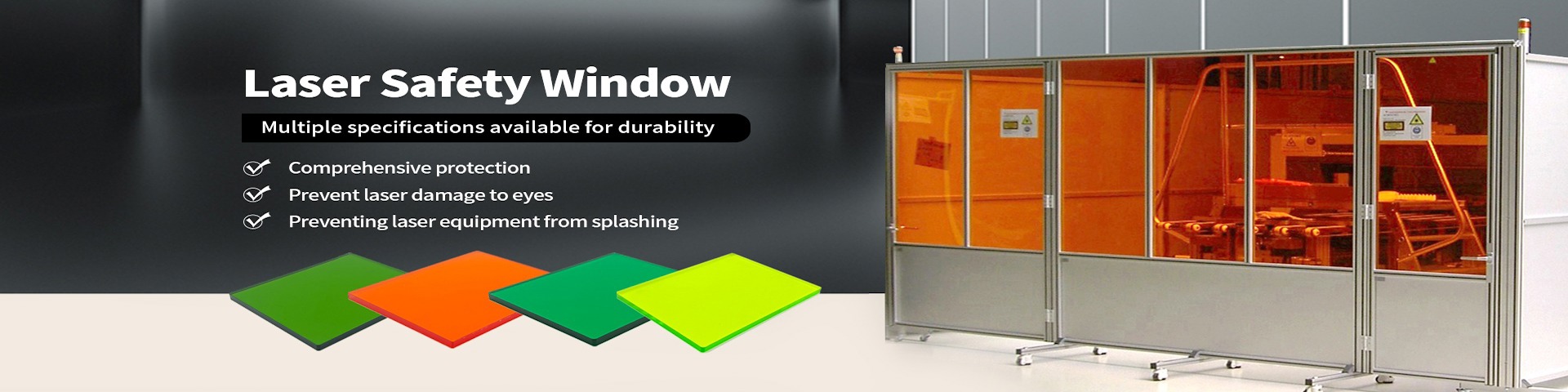
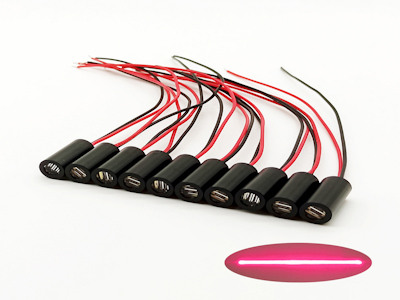
Вы когда-нибудь задумывались, почему лазерные технологии, которые когда-то были предметом научной фантастики, теперь пронизывают почти каждый аспект нашей жизни? От лазерных принтеров в офисах до медицинских процедур, которые спасают жизни, лазеры стали неотъемлемой частью современного мира. Но что, если я скажу вам, что мы стоим на пороге новой эры — эры, где стандартизация лазерных устройств может разжечь настоящую технологическую революцию? Давайте погрузимся в этот увлекательный мир и зададимся вопросом: действительно ли стандартизация — это ключ к раскрытию полного потенциала лазерных технологий?
Стандартизация — это процесс установления единых норм и правил для продуктов или услуг, обеспечивающий совместимость, безопасность и качество. В контексте лазерных устройств, которые включают в себя всё от лазерных указок до сложных промышленных систем, стандартизация может гарантировать, что устройства разных производителей работают согласованно, снижают риски и ускоряют инновации. Представьте себе мир, где медицинский лазер из одной страны может быть легко интегрирован с оборудованием из другой без дорогостоящих настроек — разве это не звучит как мечта? Но как мы пришли к этому моменту, и что делает лазерные технологии такими особенными?
Лазер, акроним для Light Amplification by Stimulated Emission of Radiation, был впервые теоретически предложен Альбертом Эйнштейном в 1917 году, но только в 1960 году Теодор Майман создал первый рабочий лазер. С тех пор лазерные технологии прошли долгий путь от лабораторных curiosities до коммерческих применений. В 1970-х годах лазеры начали использоваться в медицине для хирургии, а в 1980-х — в телекоммуникациях и производстве. Сегодня лазеры无处不在 — в сканерах штрих-кодов, DVD-плеерах, и даже в военных системах. Но с rapid advancements пришли и challenges, такие как lack of standardization, который может hinder progress. Неужели история лазеров teaches us, что без стандартов инновации могут stall?
Стандартизация предлагает множество benefits для лазерных технологий. Во-первых, она улучшает interoperability, позволяя устройствам from different manufacturers to work together seamlessly. Это снижает costs for consumers and businesses, так как нет необходимости в custom solutions. Во-вторых, стандарты enhance safety by establishing clear guidelines for power levels, emissions, and handling, что критически важно для medical and industrial applications где ошибки могут быть fatal. В-третьих, standardization fosters innovation by providing a stable foundation upon which new technologies can be built. Imagine a startup developing a novel laser application — with standards in place, они могут focus on creativity rather than compatibility issues. Но are there downsides to this approach? Could standardization stifle creativity by imposing too many rules?
Лазерные устройства находят применение в diverse fields, each with its own unique requirements. In medicine, lasers are used for surgeries, dermatology, and diagnostics, где precision and safety are paramount. Standardization here ensures that devices meet strict regulatory standards, reducing risks to patients. In industry, lasers are employed for cutting, welding, and 3D printing, where efficiency and reliability are key. Standardized protocols can streamline production processes and reduce downtime. In telecommunications, lasers enable high-speed data transmission through fiber optics, and standards like those from ITU help maintain global connectivity. Even in consumer electronics, such as laser pointers or gaming devices, standardization prevents accidents and ensures quality. Но как standardization adapt to the rapid pace of change in these areas? Is it possible to create standards that are both rigorous and flexible?
Несмотря на преимущества, стандартизация лазерных устройств сталкивается с significant challenges. One major hurdle is the diversity of technologies — different types of lasers (e.g., diode, CO2, fiber) have varying characteristics, making it difficult to create one-size-fits-all standards. Additionally, there is often resistance from manufacturers who may view standards as limiting their competitive edge or increasing costs. Regulatory differences across countries also complicate efforts, as what is acceptable in one region may not be in another. For example, the FDA in the US and CE marking in Europe have different requirements for laser safety. Moreover, the rapid evolution of technology means that standards can quickly become obsolete, requiring constant updates. How can the industry overcome these obstacles to achieve widespread standardization? Is international collaboration the answer?
Looking ahead, the future of laser technologies with standardization looks promising. Emerging trends such as quantum computing, advanced manufacturing, and personalized medicine will rely heavily on lasers, and standards will be crucial for their integration. For instance, in quantum technologies, standardized laser systems could enable reproducible experiments and accelerate discoveries. In smart cities, lasers might be used for LiDAR in autonomous vehicles, and standards would ensure safety and interoperability. Furthermore, as sustainability becomes a priority, standardized energy-efficient lasers could reduce environmental impact. But what role will artificial intelligence play? Could AI help develop and maintain standards dynamically? The possibilities are endless, but they hinge on our ability to embrace standardization now.
В заключение, стандартизация лазерных устройств действительно имеет потенциал стать революцией в технологиях. Она не только улучшает безопасность и совместимость, но и открывает двери для новых инноваций, делая технологии более доступными и надежными. Однако, чтобы fully realize this revolution, industry stakeholders must work together to address challenges and promote global standards. So, I leave you with this thought: if we can standardize something as complex as laser technology, what other frontiers might we conquer next? The future is bright, and it's illuminated by lasers.
Спасибо за чтение! Если у вас есть вопросы или thoughts, feel free to share them.

Телефон:1388xx888xx
Мобильные телефоны:1388xx888xx
Адрес:Room 401, Greenland Lanhai Building, Jinye Road, High-Tech Zone, Xi'an, Shaanxi, China
Почтовый ящик:1388xx888xx@gmail.com