
Горячая линия
1388xx888xx
Горячая линия
1388xx888xx
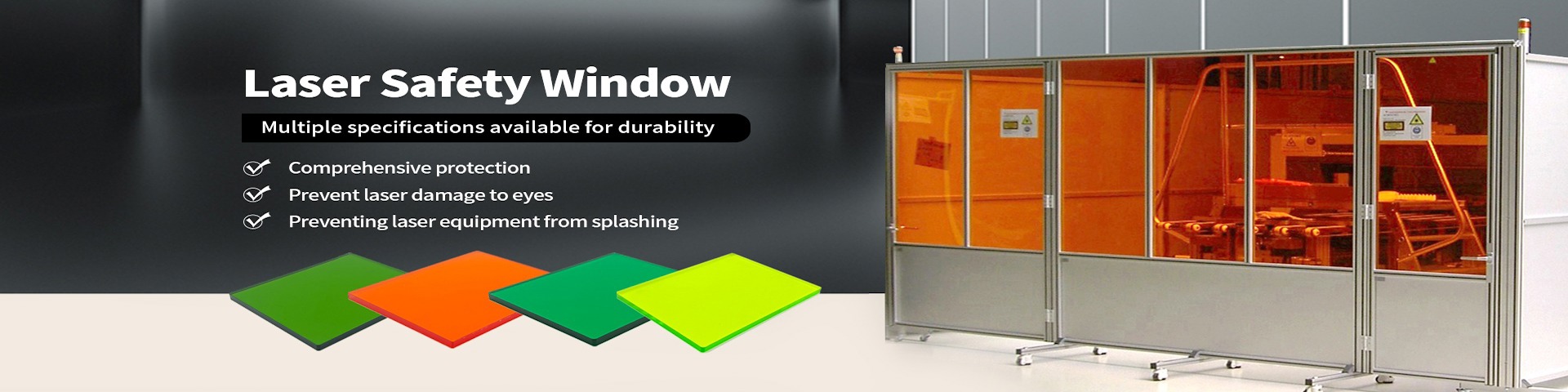
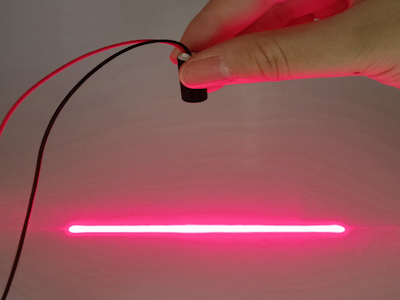
В современном мире технологии играют ключевую роль в различных отраслях, от медицины до промышленности. Одним из критически важных компонентов многих устройств являются линзы, которые используются в оптических системах, таких как микроскопы, лазерные резаки, камеры и медицинские приборы. Однако со временем на линзах накапливаются загрязнения, такие как пыль, масло, отпечатки пальцев и другие частицы, что может значительно снизить их эффективность и даже привести к повреждению оборудования. В этом контексте лазерная чистка линз emerges как передовой метод, обеспечивающий высокую точность и безопасность. Но почему это так важно? В этой статье мы углубимся в детали, обсудим преимущества, процесс и почему регулярная лазерная чистка должна быть неотъемлемой частью вашего плана обслуживания оборудования.
Лазерная чистка линз — это инновационный метод, использующий лазерное излучение для удаления загрязнений с поверхностей оптических элементов. В отличие от традиционных методов, таких как ручная очистка с использованием химических растворов или ультразвуковая чистка, лазерный подход предлагает беспрецедентную точность и минимальный риск повреждения. Лазерный луч направляется на загрязненную область, где он абсорбируется загрязнениями, вызывая их испарение или отслоение без воздействия на саму линзу. Этот процесс особенно важен для деликатных линз, используемых в высокоточном оборудовании, где даже микроскопические царапины или остатки могут привести к катастрофическим последствиям.
История лазерной чистки начинается с развития лазерных технологий в 1960-х годах, но ее широкое применение в оптической промышленности стало популярным лишь в последние десятилетия. С ростом сложности оборудования и требований к чистоте, лазерная чистка доказала свою эффективность в таких областях, как полупроводниковая промышленность, аэрокосмическая отрасль и биомедицинские исследования. Например, в литографических установках для производства микросхем чистота линз напрямую влияет на разрешение и yield процесса. Аналогично, в медицинских лазерах для хирургии загрязненные линзы могут искажать луч, приводя к неточным операциям и рискам для пациентов.
Основной принцип лазерной чистки заключается в selective photothermal или photochemical ablation. Лазер настроен на длину волны, которая преимущественно поглощается загрязнениями, но не материалом линзы. Это позволяет targeted removal без остаточного damage. Для instance, ультрафиолетовые лазеры часто используются для органических загрязнений, в то время как инфракрасные лазеры подходят для неорганических частиц. Процесс typically involves scanning the lens surface with a focused laser beam, controlled by computerized systems для обеспечения uniform cleaning.
Преимущества лазерной чистки многочисленны. Во-первых, она non-contact, meaning there is no physical abrasion that could scratch the lens. Во-вторых, it is highly precise, capable of removing contaminants as small as nanometers. В-третьих, it is environmentally friendly, as it avoids the use of chemicals that can leave residues or harm the environment. Кроме того, лазерная чистка can be automated, reducing labor costs and human error. Однако it requires specialized equipment and expertise, which may be a barrier for some users.
В целом, лазерная чистка линз представляет собой значительный шаг вперед в обслуживании оптического оборудования. By ensuring pristine surfaces, it enhances performance, extends lifespan, and reduces downtime. В следующих разделах мы explore why this is crucial for your equipment and how to implement it effectively.
Чистота линз не является merely эстетической concern; it directly impacts the functionality, accuracy, and longevity of equipment. Загрязнения на линзах can cause a variety of issues, ranging from reduced light transmission to complete failure of optical systems. Let's delve into the specifics of why maintaining clean lenses is paramount.
First and foremost, загрязнения reduce optical performance. Линзы designed to transmit, reflect, or focus light with high efficiency. Когда на поверхности accumulate particles, они scatter or absorb light, leading to losses in intensity and clarity. Для example, in a laser cutting machine, a dirty lens can cause the beam to diverge, resulting in imprecise cuts and wasted material. In imaging systems like microscopes or cameras, contaminants can create artifacts, blur images, and reduce contrast, compromising data accuracy. В медицинских устройствах, таких как эндоскопы, грязные линзы can obstruct views during procedures, increasing risks for patients.
Secondly, загрязнения can lead to thermal damage. В equipment that uses high-power lasers, such as in manufacturing or research, contaminants on lenses can absorb laser energy and heat up. Это localized heating can cause thermal stress, cracking, or even melting of the lens material. Для instance, in a CO2 laser system for engraving, oil residues on lenses can carbonize under laser exposure, creating permanent damage that requires costly replacements. Moreover, repeated thermal cycles from dirty lenses can accelerate wear and tear, shortening the equipment's lifespan.
Thirdly, микрочастицы на линзах can act as nucleation sites for further contamination. Once a lens is dirty, it attracts more dust and moisture, creating a vicious cycle that exacerbates the problem. Это особенно problematic in environments with high humidity or airborne contaminants, such as cleanrooms or industrial settings. Регулярная чистка prevents this buildup and maintains optimal conditions.
Additionally, в некоторых случаях, загрязнения can cause electrical issues. В optoelectronic devices, where lenses are integrated with electronic components, conductive particles can lead to short circuits or interference. Например, in photovoltaic systems, dirty lenses reduce light absorption, decreasing energy efficiency.
From a economic perspective, neglecting lens cleanliness can result in significant costs. Downtime for repairs or replacements, lost productivity, and potential safety hazards all contribute to higher operational expenses. Например, in the semiconductor industry, a single contaminated lens in a lithography tool can halt production lines, costing millions in lost revenue. Similarly, in healthcare, faulty equipment due to dirty lenses can lead to misdiagnoses or surgical errors, with legal and ethical implications.
Therefore, investing in proper cleaning methods, such as laser cleaning, is not just a maintenance task but a strategic decision to protect your investment. By ensuring lenses are free from contaminants, you enhance reliability, improve output quality, and avoid unforeseen failures. В следующем разделе, мы discuss how laser cleaning addresses these challenges effectively.
Лазерная чистка линз involves a sophisticated process that leverages the properties of laser light to remove contaminants without physical contact. Understanding this process is key to appreciating its benefits and implementing it correctly. Here, we break down the steps, equipment involved, and key considerations.
The process begins with assessment. Перед чисткой, линза inspected to identify the type and extent of contamination. Это может involved visual inspection under magnification or using specialized sensors to detect particles. Based on this, the laser parameters are set, including wavelength, pulse duration, energy density, and scan pattern. Для example, organic residues like oils may require UV lasers at wavelengths around 200-400 nm, while inorganic dust might be better handled with IR lasers at 1000-2000 nm.
Next, the lens is positioned in a cleaning chamber or fixture to ensure stability during the procedure. Лазерная система, typically consisting of a laser source, beam delivery optics, and a scanning mechanism, is aligned to target the contaminated areas. The laser beam is focused to a small spot size, often micrometers in diameter, to achieve high precision. Компьютерное управление allows for automated scanning across the lens surface, ensuring even coverage.
During cleaning, the laser pulses are directed at the contaminants. The energy from the laser is absorbed by the particles, causing rapid heating and ablation. Это means the contaminants are vaporized or blown away without affecting the lens substrate. The process is monitored in real-time using cameras or sensors to avoid over-cleaning or damage. Для instance, if the lens material starts to heat up, the system can adjust parameters automatically.
After cleaning, the lens is inspected again to verify cleanliness. Это may involve tests like light transmission measurements, surface roughness analysis, or particle counting. If necessary, the process is repeated for stubborn contaminants.
Key equipment for laser cleaning includes: laser sources (e.g., excimer, fiber, or diode lasers), beam shaping optics, motion stages for scanning, and control software. Стоимость such systems can vary from thousands to hundreds of thousands of dollars, depending on the complexity and application. Однако, for high-value equipment, the investment is often justified by the savings from reduced downtime and extended component life.
Safety is a critical aspect. Лазерная чистка should be performed in controlled environments with proper shielding to protect operators from laser radiation. Additionally, the process may generate fumes or debris, so ventilation or extraction systems are recommended.
В comparison to traditional methods, laser cleaning offers superior results. Ручная чистка with cloths and solvents can leave streaks, residues, or cause scratches. Ультразвуковая чистка might not remove all particles and can damage delicate coatings. Лазерная чистка, being non-contact and precise, avoids these issues. Однако, it is not suitable for all types of lenses; for example, lenses with anti-reflective coatings may require careful parameter selection to prevent coating damage.
In summary, the laser cleaning process is a highly controlled, efficient method for maintaining lens integrity. By understanding and adopting this technology, you can ensure your equipment operates at peak performance. В следующих разделах, мы explore the benefits in more detail and provide practical tips for implementation.
Лазерная чистка линз offers numerous advantages over conventional cleaning techniques, making it the preferred choice for critical applications. Let's compare it with common methods like manual wiping, ultrasonic cleaning, and chemical baths to highlight why laser cleaning is superior.
First, precision. Лазерная чистка can target specific contaminants without affecting the surrounding area. Например, if a lens has a small spot of oil, the laser can remove it without cleaning the entire surface unnecessarily. В contrast, manual methods often involve broad strokes that can spread contamination or miss spots. Ultrasonic cleaning relies on cavitation bubbles that may not reach all areas evenly, especially for complex geometries.
Second, non-contact nature. Since there is no physical contact, there is no risk of scratching or mechanical damage to the lens. Это особенно important for soft or coated lenses that are easily marred. Manual cleaning with wipes or brushes can introduce micro-abrasions that degrade optical quality over time. Similarly, ultrasonic cleaning can cause vibration-induced damage if not carefully controlled.
Third, environmental benefits. Лазерная чистка does not require chemicals, solvents, or water, reducing waste and avoiding potential residues that could attract more dirt. Chemical cleaning methods often leave behind films that require additional rinsing, increasing the risk of contamination. Moreover, disposal of hazardous chemicals is an environmental concern that laser cleaning eliminates.
Fourth, automation and efficiency. Laser cleaning systems can be fully automated, allowing for high-throughput cleaning with consistent results. Это reduces labor costs and minimizes human error. For instance, in production lines, lenses can be cleaned in seconds without manual intervention. Traditional methods are slower and more labor-intensive, leading to higher operational costs.
Fifth, effectiveness on various contaminants. Laser cleaning can handle a wide range of materials, including oils, dust, fingerprints, and even biological matter. It is particularly effective for sub-micron particles that are difficult to remove with other methods. Ultrasonic cleaning might struggle with adherent particles, and chemical cleaning may not dissolve certain substances without aggressive agents that could damage the lens.
Sixth, safety for delicate components. Lasers can be tuned to avoid damaging sensitive coatings or materials. For example, by selecting a wavelength that is absorbed by contaminants but transmitted by the lens material, cleaning can be performed safely. In comparison, chemical cleaners might etch coatings or cause discoloration.
However, laser cleaning is not without limitations. It requires significant upfront investment in equipment and training. Additionally, it may not be suitable for all types of lenses; for instance, lenses made of materials that absorb laser light could be damaged. Therefore, it's essential to evaluate the specific application before choosing this method.
Despite these challenges, the benefits often outweigh the costs, especially for high-precision industries. By adopting laser cleaning, you can enhance equipment reliability, reduce maintenance frequency, and improve overall operational efficiency. В следующем разделе, мы discuss how to integrate laser cleaning into your maintenance routine.
Integrating laser cleaning into your equipment maintenance plan requires careful planning, investment, and training. Here, we provide a step-by-step guide to help you implement this technology effectively and reap its benefits.
Step 1: Assess your needs. Start by evaluating the types of equipment you have and the lenses involved. Identify critical applications where cleanliness is paramount, such as in medical devices, laser systems, or imaging equipment. Consider the frequency of contamination and the current cleaning methods you use. This assessment will help determine if laser cleaning is justified. For example, if you experience frequent downtime due to dirty lenses, laser cleaning could be a cost-effective solution.
Step 2: Choose the right equipment. Select a laser cleaning system that matches your requirements. Factors to consider include the wavelength range (e.g., UV for organic contaminants, IR for inorganic), power output, scanning capabilities, and compatibility with your lens materials. Consult with manufacturers or experts to ensure the system is suitable for your specific applications. Budget for not only the equipment but also installation, training, and maintenance costs.
Step 3: Develop procedures and protocols. Create standardized operating procedures (SOPs) for laser cleaning. This should include steps for pre-cleaning inspection, parameter settings, cleaning process, post-cleaning verification, and safety measures. Train your staff on how to operate the system safely and effectively. Emphasize the importance of wearing protective gear and following guidelines to prevent accidents.
Step 4: Integrate into maintenance schedules. Incorporate laser cleaning into your regular maintenance routines. Determine the optimal frequency based on usage patterns and environmental conditions. For instance, in dusty environments, more frequent cleaning may be necessary. Use historical data on equipment performance to fine-tune the schedule. Automated systems can be programmed to perform cleaning during off-hours to minimize disruption.
Step 5: Monitor and optimize. After implementation, continuously monitor the results. Track metrics such as equipment uptime, lens lifespan, and cleaning effectiveness. Use feedback to adjust parameters or procedures as needed. Regularly calibrate the laser system to ensure consistent performance. Consider investing in advanced monitoring tools, such as real-time sensors, to enhance precision.
Step 6: Evaluate cost-benefit. Periodically review the financial impact of laser cleaning. Calculate savings from reduced downtime, fewer replacements, and improved product quality. Compare this with the costs of equipment and operation to ensure it remains viable. If necessary, scale the implementation to other areas of your facility.
By following these steps, you can seamlessly integrate laser cleaning into your maintenance strategy. This proactive approach will help protect your equipment, enhance performance, and ultimately save money. Remember, prevention is always better than cure when it comes to equipment care.
В заключение, лазерная чистка линз is not just a technical novelty but a essential practice for maintaining the health and efficiency of your equipment. By understanding its importance, process, and benefits, you can make informed decisions that safeguard your investments. Whether you are in manufacturing, healthcare, or research, clean lenses are fundamental to achieving accurate results and avoiding costly failures.
Embrace laser cleaning as part of your routine maintenance. Start small if needed, but don't overlook its potential. With advancements in technology, laser cleaning systems are becoming more accessible and user-friendly. Invest in training and equipment today to ensure your equipment operates at its best for years to come.
Thank you for reading. If you have questions or need assistance, consult with experts in the field to tailor solutions to your specific needs.

Телефон:1388xx888xx
Мобильные телефоны:1388xx888xx
Адрес:Room 401, Greenland Lanhai Building, Jinye Road, High-Tech Zone, Xi'an, Shaanxi, China
Почтовый ящик:1388xx888xx@gmail.com