
Горячая линия
1388xx888xx
Горячая линия
1388xx888xx
Лазерные технологии стали неотъемлемой частью современной промышленности, предлагая высокую точность, скорость и эффективность в различных процессах, таких как резка, сварка, маркировка и обработка материалов. В этой статье мы подробно рассмотрим основы лазерных технологий, их применение в промышленности, преимущества, вызовы и будущие тенденции. Мы также предоставим экспертные консультации по выбору и внедрению лазерных систем для оптимизации вашего производства.
Лазер (Light Amplification by Stimulated Emission of Radiation) — это устройство, которое генерирует когерентный и монохроматический световой пучок. Принцип работы основан на вынужденном излучении, что позволяет создавать высокоэнергетические лучи с минимальным рассеиванием. В промышленности лазеры используются для различных целей, начиная от микрообработки до крупномасштабных производственных линий.
История лазерных технологий началась в 1960 году с изобретения первого рубинового лазера. С тех пор технологии значительно эволюционировали, появились различные типы лазеров, такие как CO2-лазеры, волоконные лазеры, твердотельные лазеры и диодные лазеры. Каждый тип имеет свои уникальные характеристики и подходит для specific applications.
В промышленном контексте лазеры предлагают множество преимуществ, включая высокую точность (до микрометров), скорость обработки, минимальное тепловое воздействие на материал, и возможность автоматизации. Это делает их идеальными для таких отраслей, как автомобилестроение, аэрокосмическая промышленность, электроника, медицинское оборудование и металлообработка.
Однако внедрение лазерных технологий требует глубокого понимания их принципов и потенциальных рисков. Например, неправильная настройка может привести к повреждению материалов или снижению качества продукции. Поэтому консультации экспертов играют ключевую роль в успешной интеграции лазерных систем.
В промышленности наиболее распространены следующие типы лазеров:
Каждый тип лазера подходит для specific материалов и процессов. Например, волоконные лазеры excel in cutting stainless steel and aluminum, while CO2 lasers are better for organic materials. Understanding these differences is crucial for selecting the right technology for your industrial needs.
Applications of laser technologies in industry are vast. In automotive manufacturing, lasers are used for welding car bodies and cutting components with high precision. In aerospace, they enable the production of lightweight parts through additive manufacturing (e.g., 3D printing with lasers). In electronics, lasers are essential for micromachining circuits and marking components.
Moreover, lasers are increasingly used in additive manufacturing, where they fuse materials layer by layer to create complex geometries. This has revolutionized prototyping and small-batch production, reducing waste and lead times.
To maximize the benefits, it's important to consult with experts who can recommend the appropriate laser type based on your material, desired throughput, and budget. For instance, a fiber laser might be more cost-effective for high-volume metal cutting, while a CO2 laser could be better for diverse material processing.
Лазерные технологии offer numerous advantages over traditional methods such as mechanical cutting or welding. Key benefits include:
These advantages translate into cost savings and improved product quality. For instance, in the packaging industry, laser marking provides permanent, high-resolution codes without consumables like inks, reducing operational costs.
However, to fully realize these benefits, proper setup and maintenance are necessary. This is where professional consultations come in, helping companies avoid common pitfalls such as incorrect focal length settings or inadequate cooling systems.
Case studies show that companies that invest in laser technologies often see a return on investment within 1-2 years due to reduced labor costs and higher output. For example, a metal fabrication shop reported a 30% increase in production efficiency after switching to fiber laser cutting.
Despite their advantages, laser technologies come with challenges. High initial investment costs can be a barrier for small and medium-sized enterprises (SMEs). A typical industrial laser system can cost from $50,000 to over $500,000, depending on the type and capabilities.
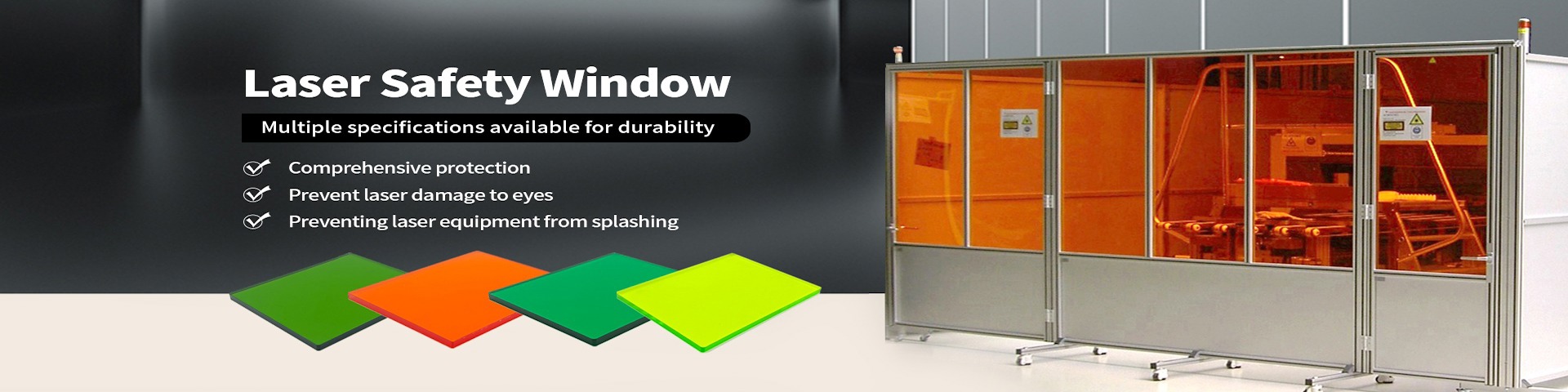
Additionally, laser safety is a critical concern. The intense beams can cause eye injuries or skin burns if not properly shielded. Regulatory standards, such as those from OSHA or ISO, require implementing safety measures like enclosures, interlock systems, and personal protective equipment (PPE).
Material limitations also exist. Not all materials are suitable for laser processing; for example, highly reflective metals like copper or aluminum can be challenging to cut with certain lasers due to reflectivity issues. Advances in laser technology, such as pulsed lasers, are addressing these challenges, but expert guidance is needed to select the right parameters.
Maintenance and operational costs can add up, including expenses for consumables like lenses gases (for CO2 lasers), and electricity. Regular calibration is essential to maintain performance, which requires trained personnel.
Through consultations, companies can mitigate these challenges by choosing systems that match their specific needs and budget. For example, leasing options or phased implementation can make laser technology more accessible.
The future of laser technologies in industry is bright, with several emerging trends. Industry 4.0 and the Internet of Things (IoT) are driving the integration of smart lasers that can communicate with other machines for real-time monitoring and optimization.
Advancements in ultrafast lasers, such as picosecond and femtosecond lasers, are enabling new applications in precision machining without thermal damage. These lasers are becoming more affordable and are expected to see wider adoption in microelectronics and biomedical fields.
Additive manufacturing with lasers, particularly in metal 3D printing, is growing rapidly. Technologies like selective laser melting (SLM) and direct energy deposition (DED) are allowing for the production of complex, custom parts that were previously impossible to make.
Green lasers are gaining traction for processing highly reflective materials, as they offer better absorption compared to infrared lasers. This could revolutionize industries like electronics and jewelry.
Automation and robotics are being combined with lasers to create fully autonomous production cells. For instance, laser welding robots can perform tasks with minimal human intervention, increasing safety and consistency.
To stay competitive, companies should consider these trends and seek consultations to plan for future upgrades. Early adoption can provide a significant advantage in terms of innovation and market positioning.
Наша команда экспертов предоставляет comprehensive консультации по лазерным технологиям для промышленности. Мы предлагаем:
Our consultations are tailored to your specific industry and challenges. For example, if you're in the automotive sector, we might focus on laser welding for body assemblies, while in healthcare, we could advise on laser marking for medical devices.
Case example: A client in the aerospace industry struggled with slow传统 methods for cutting titanium parts. After our consultation, they implemented a fiber laser system, resulting in a 40% reduction in processing time and improved part accuracy.
We also offer feasibility studies and cost-benefit analyses to help you make informed decisions. Our goal is to ensure that your investment in laser technology delivers tangible returns.
Лазерные технологии представляют собой powerful tool for modern industry, offering unmatched precision, efficiency, and flexibility. While challenges exist, they can be overcome with proper planning and expert guidance.
By investing in consultations, you can navigate the complexities of laser adoption and unlock new levels of productivity. Whether you're looking to upgrade existing processes or explore new applications, our team is here to help.
Contact us today to schedule a consultation and take the first step towards transforming your production with laser technologies.
This article has covered the essentials, but remember that every situation is unique. Professional advice is key to success.

Телефон:1388xx888xx
Мобильные телефоны:1388xx888xx
Адрес:Room 401, Greenland Lanhai Building, Jinye Road, High-Tech Zone, Xi'an, Shaanxi, China
Почтовый ящик:1388xx888xx@gmail.com