
Горячая линия
1388xx888xx
Горячая линия
1388xx888xx
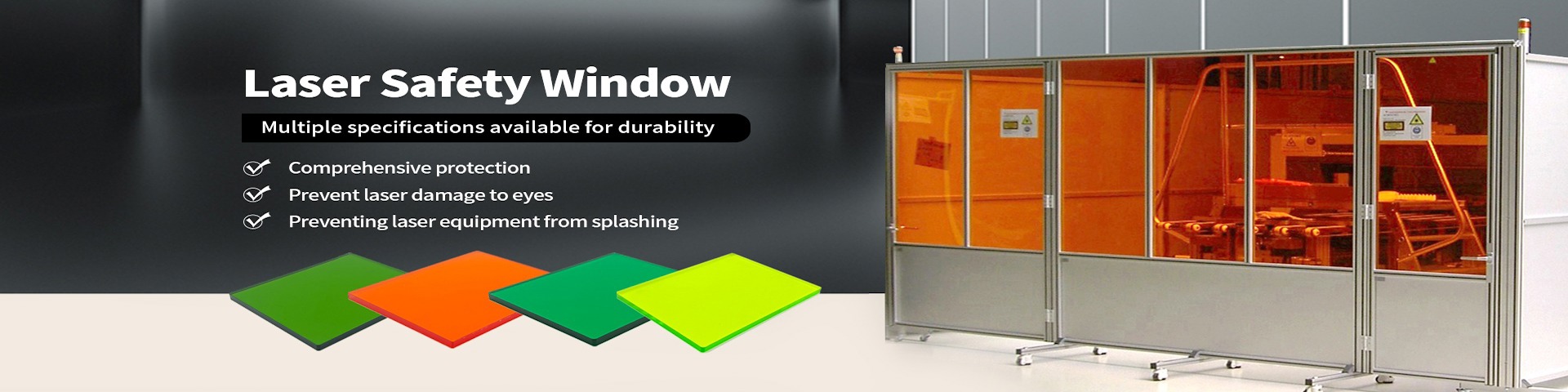

В современном мире лазерное оборудование стало незаменимым инструментом в различных отраслях: от медицины и промышленности до науки и развлечений. Будь то лазерные резаки, гравировщики, медицинские аппараты или научные установки, правильный уход за таким оборудованием является ключом к его долговечности и эффективности. В этой статье мы подробно рассмотрим, как заботиться о лазерном оборудовании, чтобы продлить его срок службы, снизить риски поломок и оптимизировать эксплуатационные затраты. Мы охватим основы работы лазеров, типичные проблемы, профилактические меры, практические советы по обслуживанию и многое другое. Давайте погрузимся в мир лазерной техники и научимся извлекать из нее максимум пользы!
Лазерное оборудование основано на принципе усиления света посредством вынужденного излучения (Light Amplification by Stimulated Emission of Radiation). Это позволяет создавать когерентные и монохроматические лучи света, которые могут быть использованы для точной резки, сварки, гравировки, медицинских процедур и многого другого. Благодаря своей точности и эффективности, лазеры нашли применение в таких областях, как производство (например, обработка металлов и пластиков), медицина (лазерная хирургия и терапия), телекоммуникации, научные исследования и даже в быту (лазерные принтеры и указки).
Однако, как и любое сложное оборудование, лазеры требуют регулярного ухода. Неправильная эксплуатация или пренебрежение обслуживанием могут привести к снижению производительности, частым поломкам и даже полному выходу из строя аппарата. Это не только влечет за собой финансовые потери из-за затрат на ремонт или замену, но и может вызвать простои в работе, что критично для бизнеса. Например, на производственной линии остановка лазерного резака может задержать выпуск продукции и повлиять на выполнение заказов. В медицине неисправный лазерный аппарат может поставить под угрозу здоровье пациентов.
Правильный уход за лазерным оборудованием начинается с понимания его компонентов и принципов работы. Основные части типичного лазерного устройства включают активную среду (например, кристалл, газ или полупроводник), оптическую систему (линзы, зеркала), систему охлаждения и блок управления. Каждый из этих элементов требует особого внимания. Например, загрязнение оптики может снизить качество луча, а перегрев из-за неисправной системы охлаждения может повредить активную среду.
Цель этой статьи — предоставить исчерпывающее руководство по уходу за лазерным оборудованием. Мы рассмотрим общие принципы обслуживания, адаптированные для различных типов лазеров, таких как CO2-лазеры, волоконные лазеры, твердотельные лазеры и другие. Вы узнаете, как проводить регулярные проверки, чистить компоненты, устранять неисправности и когда обращаться к профессионалам. Кроме того, мы затронем тему обучения персонала, поскольку правильное использование оборудования не менее важно, чем его техническое обслуживание.
Инвестируя время и ресурсы в уход за лазерным оборудованием, вы не только продлеваете его срок службы, но и обеспечиваете стабильную и безопасную работу. В долгосрочной перспективе это приводит к значительной экономии средств и повышению общей эффективности вашей деятельности. Давайте начнем с основ и постепенно углубимся в детали.
Чтобы эффективно ухаживать за лазерным оборудованием, необходимо понимать его конструкцию. Лазеры состоят из нескольких ключевых компонентов, каждый из которых может стать источником проблем при неправильном обращении. Давайте разберем их по порядку.
Активная среда: это сердце лазера, где происходит генерация луча. В зависимости от типа лазера, активная среда может быть твердой (например, кристалл рубина или неодимовый стекло), газовой (например, смесь CO2 и других газов) или жидкой (например, красители). Активная среда чувствительна к перегреву, механическим повреждениям и загрязнениям. Например, в CO2-лазерах газовая смесь со временем деградирует и требует замены. Регулярная проверка состояния активной среды и своевременная замена изношенных частей предотвратят снижение мощности луча и неожиданные сбои.
Оптическая система: включает зеркала, линзы и другие элементы, которые фокусируют и направляют лазерный луч. Оптика极易 загрязняется пылью, маслом или другими частицами, что приводит к рассеиванию луча и потере эффективности. Чистка оптики должна проводиться регулярно с использованием специальных средств, таких как изопропиловый спирт и безворсовые салфетки. Важно избегать царапин, так как они могут необратимо повредить поверхности. Кроме того, зеркала могут смещаться со временем, требуя юстировки для обеспечения точной фокусировки.
Система охлаждения: лазеры generate significant heat during operation, и без adequate cooling, компоненты могут перегреться и выйти из строя. Системы охлаждения бывают воздушными или водяными. Водяное охлаждение более эффективно для мощных лазеров, но требует регулярной проверки уровня воды, чистки радиаторов и замены охлаждающей жидкости to prevent corrosion and algae growth. Воздушное охлаждение relies on fans and heat sinks, which need to be kept clean from dust to maintain airflow.
Блок управления и электроника: this includes power supplies, controllers, and software that regulate the laser's operation. Electronic components are susceptible to power surges, dust, and moisture. Regular inspections for loose connections, firmware updates, and protection from environmental factors are essential. Using surge protectors and ensuring stable power supply can prevent damage from voltage fluctuations.
Другие компоненты: depending on the application, lasers may have additional parts such as motion systems (for CNC machines), safety interlocks, and exhaust systems for fume removal. For instance, in laser cutting machines, the motion system requires lubrication and calibration, while safety features must be tested regularly to ensure operator safety.
Understanding these vulnerabilities allows you to prioritize maintenance tasks. For example, in a high-use environment, optical cleaning might be needed weekly, while coolant replacement could be scheduled quarterly. Documenting maintenance activities in a log helps track the equipment's health and plan future servicing.
In the next sections, we'll dive into specific maintenance routines for different types of lasers. But remember, always refer to the manufacturer's manual for model-specific instructions, as variations exist between devices.
Proper care of laser equipment involves a combination of daily practices, periodic maintenance, and proactive measures. Here, we outline general principles that apply to most types of lasers, helping you establish a robust maintenance routine.
First and foremost, cleanliness is paramount. Lasers operate in environments where dust, debris, and contaminants can accumulate quickly. Regular cleaning of external and internal surfaces prevents particles from interfering with optical paths or causing overheating. Use compressed air or vacuums designed for electronics to remove dust from vents and components. Avoid using harsh chemicals that might damage sensitive parts.
Second, monitor operating conditions. Lasers are sensitive to temperature and humidity fluctuations. Ideally, operate equipment in a controlled environment with stable temperature (e.g., 20-25°C) and low humidity to prevent condensation and corrosion. Install environmental monitors if necessary, and ensure adequate ventilation to dissipate heat.
Third, implement a scheduled maintenance plan. Based on usage intensity, create a calendar for tasks such as optical cleaning, coolant checks, and component inspections. For high-use equipment, daily quick checks (e.g., visual inspection for obvious issues) and weekly detailed cleanings are advisable. Monthly or quarterly, perform more thorough maintenance, including calibration and part replacements.
Fourth, train operators on proper usage. Many laser failures stem from human error, such as incorrect settings or rough handling. Ensure that all users are trained on startup procedures, shutdown processes, and basic troubleshooting. Emphasize safety protocols to avoid accidents that could damage the equipment or cause injuries.
Fifth, keep detailed records. Maintain a logbook for each laser device, recording maintenance activities, issues encountered, and replacements made. This history helps identify patterns (e.g., frequent failures of a specific part) and plan preventive measures. It also adds value if you need to claim warranties or seek professional help.
Sixth, use genuine parts and consumables. While third-party alternatives might be cheaper, they often lack the quality and compatibility of OEM parts. Using recommended supplies ensures optimal performance and avoids voiding warranties. For example, in CO2 lasers, only use specified gas mixtures to maintain beam quality.
Seventh, be proactive with software updates. Many modern lasers are controlled by software that receives updates for bug fixes and performance improvements. Regularly check for updates from the manufacturer and install them to keep the system running smoothly.
Lastly, have a contingency plan. Despite best efforts, failures can occur. Keep spare parts on hand for critical components, and establish relationships with service providers for quick repairs. This minimizes downtime and ensures business continuity.
By adhering to these principles, you can significantly extend the life of your laser equipment. In the following sections, we'll apply these guidelines to specific laser types, providing actionable tips for each.
CO2-лазеры are widely used in cutting, engraving, and medical applications due to their high power and efficiency. They rely on a gas mixture (typically carbon dioxide, nitrogen, and helium) excited by electrical discharge to produce infrared light. Proper maintenance of CO2 lasers focuses on the gas tube, optics, and cooling system.
Start with the gas tube: this is the most critical and expensive component. Over time, the gas degrades, leading to reduced power output. Most CO2 lasers have a sealed tube that lasts 10,000 to 20,000 hours, but usage intensity affects this. Monitor power levels regularly; if you notice a drop, it might be time for a tube replacement. Avoid running the laser at full power continuously, as this accelerates wear. Instead, use power settings appropriate for the material being processed.
Optics maintenance is crucial. The lenses and mirrors in CO2 lasers can become contaminated with residues from cutting or engraving, such as smoke and debris. Clean optics weekly or after intensive use. Use lens cleaning paper and isopropyl alcohol, gently wiping in a circular motion. Inspect for scratches or cloudiness, which indicate the need for replacement. Misaligned optics can cause beam drift, so perform alignment checks monthly using alignment tools provided by the manufacturer.
The cooling system for CO2 lasers often uses water cooling. Check the coolant level daily and top up if necessary. Use distilled water or a recommended coolant mixture to prevent mineral buildup and corrosion. Clean the water reservoir and filters every few months to remove algae or sediment. Ensure the water pump is functioning correctly; unusual noises or reduced flow signal potential issues.
Electrical components should be inspected for loose connections and signs of wear. Power supplies and RF generators in CO2 lasers can overheat, so keep them dust-free and in a well-ventilated area. Use a multimeter to periodically check voltage outputs to ensure stability.
For safety, CO2 lasers generate ozone and other fumes during operation. Ensure that exhaust systems are working properly to vent these gases outside. Clean or replace exhaust filters regularly to maintain airflow.
Example routine for a CO2 laser engraver: daily, check coolant and clean the bed; weekly, clean optics and inspect the gas tube; monthly, align mirrors and check electrical connections; annually, consider professional servicing for tube replacement if needed.
By following these steps, you can keep your CO2 laser running efficiently for years. Next, we'll cover fiber lasers, which have different maintenance needs.
Fiber lasers are known for their reliability and low maintenance compared to CO2 lasers, but they still require attention to detail. They use a doped optical fiber as the active medium, pumped by diode lasers, and are common in metal cutting and marking applications.
The fiber optic cable is robust but can be damaged by bending beyond its minimum radius or exposure to contaminants. Avoid sharp bends and protect the cable from physical impact. Inspect the cable periodically for cracks or breaks, especially at connectors.
Diode pumps are the primary wear item in fiber lasers. They have a finite lifespan, typically around 100,000 hours, but output power may degrade over time. Monitor the laser's performance; if power decreases, it might indicate diode failure. Keep the diodes cool with adequate airflow or water cooling. Clean cooling fans and heat sinks regularly to prevent overheating.
Optics in fiber lasers include collimators and focusing lenses, which are less prone to contamination than in CO2 lasers but still need occasional cleaning. Use the same gentle cleaning methods as for CO2 optics. Check for misalignment, though fiber lasers are generally more stable in this regard.
The cooling system is often integrated and requires similar maintenance to CO2 lasers. For air-cooled models, ensure fans are unobstructed and clean. For water-cooled systems, maintain the coolant and check for leaks.
Software and electronics: fiber lasers are highly automated, so keep firmware updated. Check connections and power supplies for signs of wear.
A sample maintenance schedule: daily, visual inspection and cleanup; monthly, clean optics and check diodes; annually, professional calibration.
Fiber lasers are low-maintenance but not no-maintenance. Regular checks ensure longevity.
Solid-state lasers, such as Nd:YAG lasers, use a crystalline or glass medium and are common in medical and industrial applications. Maintenance focuses on the crystal, pump sources, and cooling.
The laser crystal can degrade due to thermal stress or optical damage. Avoid operating at excessive power levels to prevent cracking. Inspect the crystal periodically for discoloration or defects, and replace if necessary.
Flashlamps or diode pumps used for excitation have limited lifetimes. Monitor output power and replace lamps as recommended by the manufacturer—typically every 500 to 1000 hours of use. Keep pump chambers clean to avoid reduced efficiency.
Cooling is critical; solid-state lasers generate much heat. Use distilled water in cooling systems and check for leaks. Clean heat exchangers regularly.
Optics and alignment: similar to other lasers, clean lenses and mirrors, and perform alignment checks to maintain beam quality.
Maintenance routine: daily, check cooling and power levels; weekly, clean optics; monthly, inspect crystal and pumps; annually, full service by a technician.
With care, solid-state lasers can serve reliably for many years.
Preventive maintenance reduces the likelihood of failures. Common issues include power drops, beam instability, and overheating. For power drops, check gas tubes or diodes for wear. Beam instability often stems from dirty or misaligned optics—clean and realign. Overheating usually indicates cooling system problems; inspect pumps, fans, and coolant.
Keep a troubleshooting guide handy. For example, if the laser doesn't start, verify power supply and safety interlocks. If performance is poor, review maintenance logs for recent changes.
Train staff to recognize early warning signs, such as unusual noises or error messages, and address them promptly to avoid major repairs.
Proper care of laser equipment is an investment that pays off through extended lifespan, reduced downtime, and lower costs. By following the guidelines in this article—regular cleaning, monitoring, and proactive maintenance—you can ensure your lasers operate at peak performance. Remember, always consult manufacturer manuals and seek professional help for complex issues. Start implementing these practices today to enjoy the benefits of reliable laser technology for years to come.

Телефон:1388xx888xx
Мобильные телефоны:1388xx888xx
Адрес:Room 401, Greenland Lanhai Building, Jinye Road, High-Tech Zone, Xi'an, Shaanxi, China
Почтовый ящик:1388xx888xx@gmail.com