
Горячая линия
1388xx888xx
Горячая линия
1388xx888xx
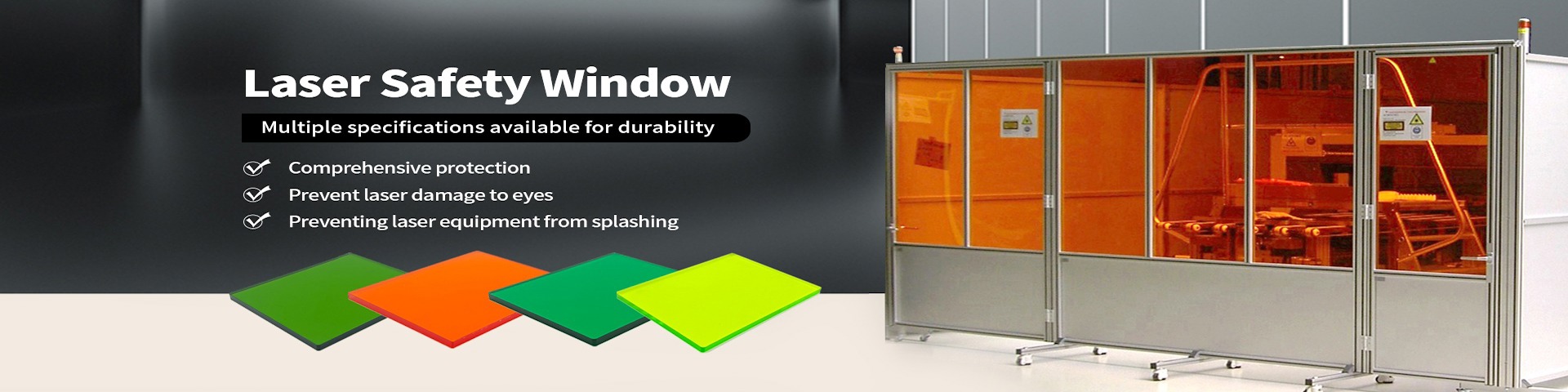
В современном мире технологии развиваются с невероятной скоростью, и одной из ключевых областей, которая постоянно эволюционирует, является лазерная техника. Ультрасовременные стандарты в этой сфере не только улучшают существующие процессы, но и открывают совершенно новые горизонты для применения в различных отраслях, от медицины до промышленности и связи. В этой статье мы подробно рассмотрим, как эти инновации трансформируют наш мир и какие перспективы они предлагают для будущего.
Лазерная техника, основанная на принципе усиления света посредством вынужденного излучения, прошла долгий путь с момента своего изобретения в 1960 году. Сегодня она представляет собой сложную и многогранную дисциплину, интегрированную в countless applications. Ультрасовременные стандарты, такие как повышенная точность, энергоэfficiency, и безопасность, делают лазеры незаменимыми инструментами в современном обществе.
Развитие лазерной техники сопровождалось установлением строгих стандартов, которые ensure качество и надежность устройств. От первых rudimentary лазеров до сегодняшних high-power систем, стандарты evolved to address challenges like thermal management, beam quality, and environmental impact. Это historical perspective помогает понять, почему современные стандарты так crucial для opening new horizons.
Современные стандарты включают в себя аспекты such as ISO certifications for laser safety, IEEE protocols for communication lasers, and industry-specific guidelines for medical and manufacturing applications. Эти стандарты ensure that lasers are not only effective but also safe for users and the environment. Например, стандарты на мощность и длину волны позволяют оптимизировать лазеры для specific tasks, such as precision cutting in manufacturing or delicate surgeries in medicine.
В промышленности ультрасовременные лазерные стандарты enable advancements in additive manufacturing, such as 3D printing with metal powders, where high-precision lasers sinter materials layer by layer. This has opened new horizons for rapid prototyping and custom part production, reducing waste and increasing efficiency. Additionally, lasers are used in welding, cutting, and marking, with standards ensuring consistency and quality across global supply chains.
В медицине лазеры revolutionized procedures like LASIK eye surgery, dermatology treatments, and cancer therapy. Modern standards ensure that medical lasers are calibrated for maximum efficacy and minimal side effects, opening horizons for non-invasive treatments and improved patient outcomes. For instance, photodynamic therapy uses lasers to activate drugs that target cancer cells, a technique made possible by rigorous safety and performance standards.
Лазерная техника is fundamental to fiber optic communication, where standards for wavelength division multiplexing allow for high-speed data transmission over long distances. This has opened horizons for global internet connectivity, supporting everything from streaming services to remote work. Ultramodern standards in this area focus on reducing signal loss and increasing bandwidth, paving the way for future technologies like quantum communication.
In scientific research, lasers are used in fields such as physics, chemistry, and biology for experiments like spectroscopy and particle acceleration. Standards for laser stability and precision enable discoveries that were previously impossible, opening new horizons in understanding the universe. For example, ultra-short pulse lasers allow scientists to study molecular dynamics in real-time, leading to breakthroughs in material science and medicine.
Modern laser standards emphasize energy efficiency, reducing the carbon footprint of laser-based processes. This aligns with global sustainability goals, opening horizons for greener technologies. For instance, lasers in solar cell manufacturing improve efficiency and reduce waste, contributing to renewable energy advancements.
Despite advancements, challenges remain, such as the high cost of advanced laser systems and the need for continuous standard updates. Future horizons include the development of quantum lasers, integrated photonics, and AI-optimized laser systems. Standards will need to evolve to address these innovations, ensuring safety and interoperability.
Ультрасовременные стандарты лазерной техники действительно открывают новые горизонты, transforming industries and improving lives. By adhering to these standards, we can harness the full potential of laser technology while mitigating risks. As we look to the future, continued investment in research and standardization will be key to unlocking even greater possibilities.
This article has explored the multifaceted impact of ultramodern laser standards, highlighting their role in driving progress. Whether in industry, medicine, or communication, these standards are the foundation upon which new horizons are built. Let us embrace this era of innovation and work towards a brighter, laser-enabled future.

Телефон:1388xx888xx
Мобильные телефоны:1388xx888xx
Адрес:Room 401, Greenland Lanhai Building, Jinye Road, High-Tech Zone, Xi'an, Shaanxi, China
Почтовый ящик:1388xx888xx@gmail.com