
Горячая линия
1388xx888xx
Горячая линия
1388xx888xx
В современном мире текстильная промышленность переживает революционные изменения, и одной из ключевых инноваций является лазерная резка ткани. Эта технология не только повышает точность и эффективность производства, но и открывает новые горизонты для творчества и устойчивого развития. В этой статье мы подробно рассмотрим, что такое лазерная резка, как она работает, ее преимущества по сравнению с традиционными методами, области применения и перспективы на будущее. Мы также обсудим практические аспекты, такие как выбор оборудования и экономические выгоды для предприятий.
Лазерная резка – это процесс использования сфокусированного лазерного луча для точного разрезания материалов, включая ткани. Лазерный луч высокой интенсивности нагревает материал до точки испарения или плавления, создавая чистый и аккуратный разрез без физического контакта. Это делает технологию идеальной для деликатных материалов, таких как шелк, хлопок или синтетические волокна, где традиционные методы могут вызвать повреждения.
История лазерной резки началась в 1960-х годах с изобретения лазера, но ее применение в текстильной промышленности стало массовым только в последние десятилетия благодаря advancements in automation and computer control. Сегодня системы лазерной резки интегрируются с CAD/CAM software, allowing for high precision and customization.
Лазерная резка ткани основана на нескольких ключевых принципах. Во-первых, лазерный источник (часто CO2 лазер для текстиля) генерирует луч света, который фокусируется через линзы на поверхность материала. Энергия луча поглощается тканью, вызывая локальный нагрев и испарение. Процесс контролируется компьютером, который управляет движением лазерной головки на основе цифрового designs, ensuring repeatability and accuracy.
Типы лазеров, используемых для резки ткани, включают CO2 лазеры (наиболее распространенные для органических материалов), fiber lasers (подходят для некоторых синтетиков), и UV lasers (для высокоточной работы). Выбор зависит от типа ткани и требуемой точности.
Лазерная резка обеспечивает беспрецедентную точность, с разрезами до микронного уровня. Это исключает ошибки, common in manual cutting or mechanical methods, such as fraying or misalignment. For example, in fashion industry, laser cutting allows for intricate patterns and details that are impossible with scissors or die-cutters.
Автоматизация значительно ускоряет production process. Лазерные системы can cut multiple layers of fabric simultaneously, reducing time and labor costs. Studies show that laser cutting can increase productivity by up to 50% compared to traditional methods.
В отличие от mechanical cutting, which often produces waste from blades or dies, laser cutting is contactless and generates minimal waste. Additionally, it reduces the need for chemicals used in some finishing processes, contributing to a greener manufacturing environment.
С цифровыми designs, изменения can be made instantly without retooling, making it ideal for small batches or personalized products. This flexibility is crucial in industries like automotive or aerospace, where custom upholstery is required.
В моде лазерная резка используется для создания сложных узоров на одежде, аксессуарах и обуви. Brands like Nike and Adidas incorporate laser-cut elements for lightweight and breathable designs. It also enables rapid prototyping for designers.
Для interior fabrics, such as seats and dashboards, laser cutting ensures precise fits and enhances safety by reducing loose threads. It is also used for airbag fabrics, where accuracy is critical.
В медицинских textiles, such as surgical gowns or implants, laser cutting provides sterile and precise cuts, reducing contamination risks. For instance, it is used in producing mesh for hernia repairs.
From curtains to upholstery, laser cutting allows for creative designs in home furnishings. It can create patterns that add aesthetic value without compromising functionality.
In industries like aerospace or sports, technical fabrics require high durability and precision. Laser cutting is used for components in parachutes, sails, or protective gear.
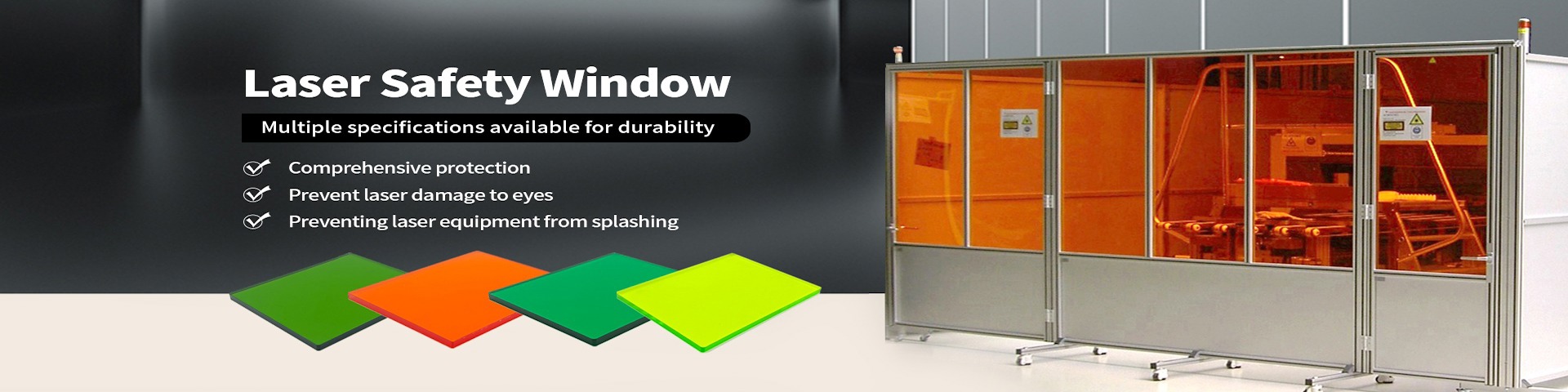
При выборе лазерного резака для ткани需要考虑 мощность лазера, размер рабочей области, и software compatibility. CO2 лазеры мощностью 40-100 Вт are common for most fabrics. Важно также учитывать safety features, such as enclosures to protect operators from laser radiation.
Первоначальные инвестиции в лазерное оборудование могут быть высокими, но они окупаются за счет reduced labor costs, material savings, and increased production speed. A typical ROI period is 1-2 years for medium-sized enterprises.
Операторам необходимо training on software operation and safety protocols. Regular maintenance, such as lens cleaning and alignment checks, ensures longevity and performance.
Технология продолжает evolve with advancements in AI and IoT. Future trends include integration with 3D printing for hybrid manufacturing, smart fabrics that respond to laser cutting, and increased automation for mass customization. As sustainability becomes a priority, laser cutting will play a key role in reducing waste and energy consumption.
Лазерная резка ткани представляет собой transformative technology that offers unparalleled precision, efficiency, and environmental benefits. Its adoption across various industries demonstrates its versatility and potential for growth. By embracing this innovation, businesses can achieve ideal results and stay competitive in a rapidly changing market. We encourage readers to explore laser cutting solutions and consider how they can integrate them into their operations for a brighter future.

Телефон:1388xx888xx
Мобильные телефоны:1388xx888xx
Адрес:Room 401, Greenland Lanhai Building, Jinye Road, High-Tech Zone, Xi'an, Shaanxi, China
Почтовый ящик:1388xx888xx@gmail.com