
Горячая линия
1388xx888xx
Горячая линия
1388xx888xx
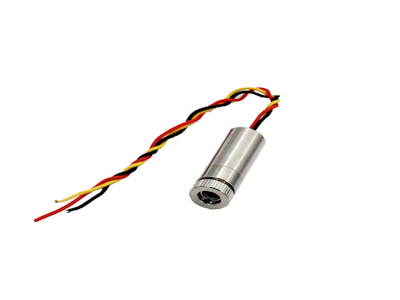
В современном мире технологии лазеров становятся все более важными в различных отраслях, от медицины и промышленности до развлечений и бытового использования. Однако с ростом числа доступных опций выбор подходящего лазерного устройства может быть сложной задачей. В этой статье мы подробно разберем 10 ключевых факторов, которые помогут вам сравнить и выбрать лучшее лазерное устройство для ваших потребностей. Мы рассмотрим все аспекты, от технических характеристик до практических советов, чтобы вы могли принять обоснованное решение.
Мощность лазера является одним из наиболее критических факторов при выборе устройства. Она измеряется в ваттах (Вт) и определяет, насколько эффективно лазер может выполнять свои функции, такие как резка, гравировка или лечение. Высокая мощность обычно означает более быструю работу и возможность обработки более толстых материалов, но также может увеличивать стоимость и энергопотребление. Для сравнения, устройства с мощностью от 1 Вт до 100 Вт подходят для разных задач: низкомощные лазеры идеальны для точной работы, такой как ювелирное дело или электроника, тогда как высокомощные используются в промышленной резке металлов. При выборе учитывайте ваши конкретные нужды: если вам нужно резать сталь, opt для устройства с мощностью не менее 50 Вт, но для гравировки по дереву может хватить и 10 Вт. Кроме того, мощность влияет на безопасность: более мощные лазеры требуют строгих мер предосторожности, включая защитные очки и ограждения. Всегда проверяйте спецификации производителя и сравнивайте мощность с аналогичными моделями на рынке.
Точность лазера определяет, насколько четко и аккуратно он может выполнять задачи, такие как резка или маркировка. Разрешение, обычно измеряемое в точках на дюйм (DPI) или микрометрах, играет vital роль в этом. Высокое разрешение позволяет добиться детализированных узоров и минимизировать ошибки, что особенно важно в медицине или микроэлектронике. Например, лазеры с разрешением выше 1000 DPI идеальны для создания intricate designs, в то время как более низкое разрешение может подойти для грубой резки. При сравнении устройств обращайте внимание на механизмы позиционирования, такие как шаговые двигатели или сервоприводы, которые обеспечивают повторяемость и стабильность. Также consider软件ное обеспечение, которое управляет лазером: продвинутые программы могут компенсировать неточности hardware. Для практического теста, попробуйте выполнить sample job на разных устройствах и оцените качество output. Помните, что высокая точность часто comes с更高的 стоимостью, но она окупается в long run за счет reduced waste и improved productivity.
Длина волны лазера, измеряемая в нанометрах (нм), определяет, как свет взаимодействует с различными материалами. Different wavelengths are absorbed differently by materials, which affects the efficiency of processes like cutting, engraving, or medical treatments. Common wavelengths include 1064 nm for infrared lasers (good for metal processing), 532 nm for green lasers (ideal for sensitive materials like plastics), and 10.6 micrometers for CO2 lasers (excellent for organic materials like wood or leather). When comparing devices, consider the materials you'll be working with: for example, if you need to cut acrylic, a CO2 laser with a wavelength around 10.6 μm is optimal, whereas a fiber laser with 1064 nm is better for metals. Additionally, wavelength affects safety: shorter wavelengths (e.g., UV lasers) can be more hazardous to eyes and skin, requiring additional protective measures. Always check the manufacturer's specifications and test the device on sample materials to ensure compatibility. This factor is crucial for specialized applications, such as in ophthalmology where specific wavelengths are used for retinal surgery.
Скорость лазерного устройства определяет, как быстро оно может выполнять задачи, что directly impacts productivity and throughput. It is often measured in units like millimeters per second (mm/s) for cutting or engraving. Higher speed allows for faster job completion, but it may compromise quality if not properly calibrated. For instance, in industrial settings, a fast laser can increase output but might require frequent maintenance to avoid defects. When comparing devices, look at the maximum speed ratings and consider how they align with your workflow. Also, factor in acceleration and deceleration capabilities: devices with smooth motion control can maintain quality at high speeds. Software plays a key role here—advanced control systems can optimize speed settings based on material type and desired outcome. Conduct speed tests with real-world scenarios: for example, time how long it takes to cut a standard shape and compare results across different models. Remember, the fastest device isn't always the best; balance speed with other factors like precision and cost to find the optimal solution for your needs.
Стоимость лазерного устройства включает not only the initial purchase price but also operating costs, maintenance, and potential downtime. When comparing, calculate the total cost of ownership (TCO) over the device's lifespan. High-end models may have a higher upfront cost but offer better reliability and lower long-term expenses due to reduced maintenance and higher efficiency. For example, a industrial laser cutter costing $50,000 might save money over time compared to a cheaper $10,000 model that requires frequent repairs. Consider factors like energy consumption, consumables (e.g., lenses or gases), and warranty terms. ROI (return on investment) is critical: estimate how the device will improve your business, such as by increasing production speed or enabling new services. Look for devices with good resale value and support from the manufacturer. Read reviews and compare prices from multiple vendors to ensure you're getting a fair deal. Additionally, factor in hidden costs like training for operators or software upgrades. A thorough cost analysis will help you choose a device that fits your budget and delivers maximum value.
Надежность лазерного устройства refers to its ability to perform consistently over time without failures, while durability involves resistance to wear and tear. Key components to evaluate include the laser source (e.g., diode, CO2, or fiber), cooling systems, and mechanical parts. High-quality devices often use robust materials like stainless steel for frames and have sealed optics to protect against dust and moisture. Check the mean time between failures (MTBF) ratings provided by manufacturers—longer MTBF indicates better reliability. For example, a fiber laser might have an MTBF of 100,000 hours, whereas a cheaper diode laser could be less. Also, consider the environment where the device will be used: industrial settings require more durable builds than laboratory ones. Read user testimonials and service records to assess real-world performance. Maintenance schedules are important; devices with easy access to parts and clear documentation can reduce downtime. Investing in a reliable device may cost more initially but prevents costly interruptions and extends the product's life, ultimately saving money and ensuring continuous operation.
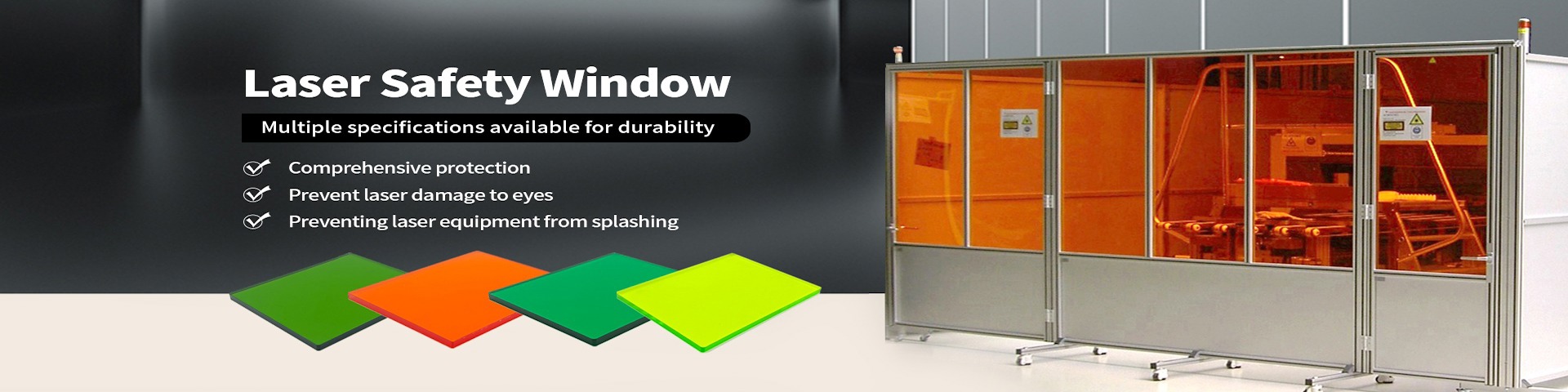
Безопасность is paramount when working with laser devices, as they can cause eye injuries, skin burns, or fire hazards. Key safety features to compare include interlock systems that shut off the laser when doors are opened, emergency stop buttons, and built-in ventilation to remove fumes. Classify lasers based on their hazard level: Class 1 lasers are safe under all conditions, while Class 4 lasers require strict controls. Ensure the device complies with international standards like IEC 60825 or FDA regulations. Additional safety measures might include protective enclosures, warning labels, and training materials provided by the manufacturer. When comparing, test the safety features yourself: for instance, verify that the interlock works correctly. Also, consider the operational environment—devices used in crowded spaces need enhanced safety protocols. Investing in a safe device not only protects users but also reduces liability risks. Always prioritize models with comprehensive safety certifications and user-friendly safety interfaces to prevent accidents and ensure compliance with local laws.
Совместимость лазерного устройства involves how well it integrates with existing software, hardware, and workflows. Key aspects include connectivity options (e.g., USB, Ethernet, or Wi-Fi), file format support (such as DXF, AI, or BMP), and compatibility with operating systems like Windows or macOS. For seamless integration, choose devices that support common protocols and offer APIs for customization. For example, a laser that works with popular design software like AutoCAD or CorelDraw can streamline your process. Also, consider physical integration: dimensions, weight, and power requirements should match your workspace. Test the device with your current setup before purchase—many manufacturers offer demo units or virtual simulations. Additionally, evaluate the ease of software updates and customer support for troubleshooting. Devices that are easy to integrate reduce training time and minimize disruptions, leading to higher efficiency. Look for models with positive reviews from users in similar industries to ensure they fit well into your ecosystem.
Поддержка и гарантия от производителя are critical for maintaining your laser device over its lifetime. Compare the length and coverage of warranties—typical offers range from 1 to 5 years, covering parts and labor. Also, assess the quality of customer support: availability of technical assistance, response times, and availability of spare parts. For instance, a device with 24/7 support and a global service network is preferable for businesses that operate continuously. Read online reviews to gauge user satisfaction with support experiences. Additionally, consider training resources: manufacturers that provide detailed manuals, video tutorials, or on-site training can help you get the most out of your investment. Extended warranty options or service contracts might be worth the extra cost for peace of mind. A device with strong support reduces downtime and ensures that issues are resolved quickly, protecting your productivity and investment. Always choose brands with a reputation for reliability and excellent customer service.
Отзывы пользователей и репутация бренда provide valuable insights into the real-world performance of laser devices. Before making a decision, research online reviews on platforms like Amazon, specialized forums, or industry websites. Look for patterns in feedback: common praises might include ease of use or durability, while complaints could highlight frequent breakdowns or poor support. Also, consider the brand's history and market presence—established brands like Trumpf or Coherent often have better quality control and innovation. For example, a brand with decades of experience is more likely to offer reliable products than a newcomer. Engage with user communities to ask questions and get firsthand accounts. Additionally, check for awards or certifications that indicate excellence. This factor helps you avoid potential pitfalls and choose a device that has been tested and approved by others in your field. Remember, a device with positive reviews and a strong brand reputation is more likely to meet your expectations and provide long-term satisfaction.
Сравнение лазерных устройств требует тщательного анализа multiple факторов, от технических характеристик до экономических и практических соображений. By evaluating power, precision, wavelength, speed, cost, reliability, safety, compatibility, support, and user feedback, you can identify the best device for your specific needs. Start by defining your requirements: what materials will you work with, what level of precision is needed, and what is your budget? Then, shortlist devices that meet these criteria and conduct hands-on tests if possible. Don't hesitate to consult experts or reach out to manufacturers for demonstrations. Ultimately, the ideal laser device is one that balances performance, cost, and usability to enhance your operations. With this comprehensive guide, you're equipped to make an informed decision that will drive success in your projects. Invest time in research now to avoid regrets later and enjoy the benefits of advanced laser technology.
Для дополнительной информации, посетите authoritative sources или свяжитесь с professionals в вашей отрасли. Удачи в выборе!

Телефон:1388xx888xx
Мобильные телефоны:1388xx888xx
Адрес:Room 401, Greenland Lanhai Building, Jinye Road, High-Tech Zone, Xi'an, Shaanxi, China
Почтовый ящик:1388xx888xx@gmail.com